


Why do people gamble in casinos despite the risks involved?
Why do people gamble in casinos despite the risks involved?
The Thrill of Uncertainty
The allure of gambling in casinos is often linked to the excitement generated by uncertainty. For many, the chance of winning against the odds creates a rush that is hard to replicate in everyday life. The adrenaline produced during a game or while placing a bet can lead to a feeling of euphoria. This emotional high frequently overshadows the potential financial risks involved, leading individuals to ignore the realities of possible losses.
Moreover, the environment within casinos is designed to enhance this thrill. Bright lights, engaging sounds, and the presence of other excited players create a sensory overload that captivates visitors. In such an atmosphere, the potential for winning becomes a powerful motivator, even if it is statistically unlikely. Most players find themselves caught up in the moment, overlooking the analytic side of gambling, which emphasizes the risks. This immersive experience can shift one’s focus from rational thought to pure instinct, fueling a desire to gamble even more.

Additionally, the concept of near misses can further intensify this thrill. Players may experience moments where they come close to winning, such as just missing a jackpot, which can create a psychological urge to try again. These near wins can be misleadingly interpreted as signs of future success, profoundly influencing decision-making and continued gambling behavior. Such experiences can instill a sense of hope, compelling players to believe that their next attempt could be the one that offers substantial rewards.
The Social Aspect of Gambling
Another compelling reason people gamble at casinos is the social interaction that accompanies the activity. Casinos often serve as social hubs where friends and strangers come together, creating an atmosphere that combines entertainment with camaraderie. Many individuals enjoy the shared experience of playing games like poker or blackjack, where conversations and laughter flow freely, making the gaming experience more enjoyable.
In addition, participating in group activities, such as tournaments or table games, adds a layer of engagement that solitary gambling does not. This sense of belonging and community can lead individuals to keep returning to casinos, attracted not only by the chance to win but also by the friendships and interactions forged on the gaming floor. Many players form bonds with fellow gamblers, discussing strategies or celebrating wins together, which can enhance the experience and create lasting memories.
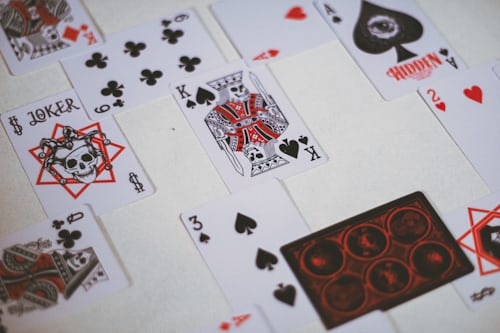
Moreover, the social dynamics of gambling can foster a shared identity among players. Groups may develop rituals, routines, or even superstitions that contribute to a stronger connection to their chosen games. The act of gambling becomes not just a form of entertainment but a social event, encouraging people to gather, celebrate, and communicate in ways that transcend mere gameplay.
Psychological Factors at Play
Several psychological elements influence individuals to engage in gambling, despite the associated risks. Cognitive biases, such as the illusion of control, can create a false sense of empowerment that gamblers can influence the outcome of a game. This belief can encourage continued participation, as players feel they possess skills or strategies that will lead to success. The lure of being ‘in control’ is particularly enticing in a setting where chance predominates.
Additionally, the concept of loss aversion plays a significant role in gambling behavior. People are often more motivated by the fear of losing what they have than the potential to gain. This leads many to chase their losses, convinced that they can turn their luck around. As a result, they may continue to gamble, further entrenching them in a cycle that can ultimately result in significant financial repercussions. The emotional toll of this behavior can manifest as stress, anxiety, or depression, compounding the risks already present in gambling.
Self-identity also plays a vital part in lifelong gamblers’ experiences. The persona of a ‘gambler’ can become intertwined with an individual’s self-concept, leading them to justify continued play even in the face of negative outcomes. This psychological component can sustain gambling behavior over extended periods, with individuals rationalizing their actions based on past experiences rather than their current reality.
The Influence of Marketing and Casino Design
The marketing strategies employed by casinos are designed to exploit behavioral tendencies and biases among gamblers. Promotions, loyalty programs, and high-stakes competitions create environments that entice visitors to gamble more. By offering attractive bonuses and rewards, casinos can draw customers deeper into the gaming experience, often overshadowing the risks involved. The strategic use of advertising also plays on emotions, appealing to desires for happiness, excitement, and even escapism.
Furthermore, the layout and design of casinos are meticulously planned to optimize player engagement. The placement of games, free drinks, and the general ambiance keeps players on the floor longer, encouraging them to continue betting. Consequently, many find themselves gambling for extended periods, often disregarding their initial intentions or budgetary constraints. The absence of clocks and windows can also distort time perception, making hours feel like mere minutes, allowing players to lose track of their spending easily.
In essence, the operational aspects of casinos are tailored to ensure maximum player engagement, with subtle psychological techniques at play in every corner of the establishment. These strategies work in tandem to make the gambling experience exceptionally compelling, leading to higher levels of participation even against all warnings about risks and losses.
About Science and Us
At Science and Us, we delve into various intriguing subjects, including gambling behavior and its psychological factors. Our aim is to provide insightful analyses that cater to those curious about the complexities of human behavior in the context of risk and reward. Through detailed research articles and engaging content, we encourage readers to explore various viewpoints on topics like casino gambling while considering the broader implications of such activities.
We invite you to see details about our findings and perspectives. Understanding the motives behind gambling can offer a clearer picture of why individuals are drawn to casinos despite the inherent risks, ultimately fostering more informed choices among players. Our work seeks to bridge the gap between curiosity and understanding, providing tools to navigate the labyrinth of human behaviors in gambling and beyond.
